
- Round 1: the baseline sample
- Round 2: your changes
- Round 3: the golden sample
- What to check on every sample, every round
- What happens between golden sample and production?
- How many sample rounds should you budget for?
- Who pays for samples and the couriers?
- How do you keep both sides looking at the same sample?
- What if the sample never gets approved?
- Does packaging get sampled too?
- Can you skip sampling on a stock product?
- FAQ
- Related guides
Quality Control · 2026 · 8 min read
The sampling process is where your product actually gets defined: not in the factory’s machinery and not in your business plan, but in the sequence of samples you approve before mass production. Run it well and the production run has a physical, signed reference; run it loosely and you will be negotiating over “what we meant” with 5,000 units already made. This guide walks the process from first quote to the golden sample that governs your order.
- Two to three, depending on customization depth.
- One to two weeks per round including courier, so 3?6 weeks for the full process.
- Both parties, physically: one unit with you, one retained by the factory, both referenced in the purchase contract.
The vocabulary first. A pre-production sample is the factory’s proposal, usually their existing product with your branding applied. The golden sample is the final, agreed, signed-off unit that production is legally and physically judged against. Everything between is iteration. The goal of the process is simple to state: a golden sample both sides hold, plus photos and measurements everyone agreed to.
Round 1: the baseline sample
Order from your top 2?3 factory candidates (the shortlist from our verification routine), each with your logo applied. This round answers three questions at once: the factory’s baseline quality, their logo method (laser, print, emboss, woven tag), and their real responsiveness on a small paid task. Sample plus courier typically costs $30?80 per supplier: the cheapest insurance in importing. Test the samples like a customer, for a full week, and compare all of them side by side; the differences that drive returns never show in listing photos.
Round 2: your changes
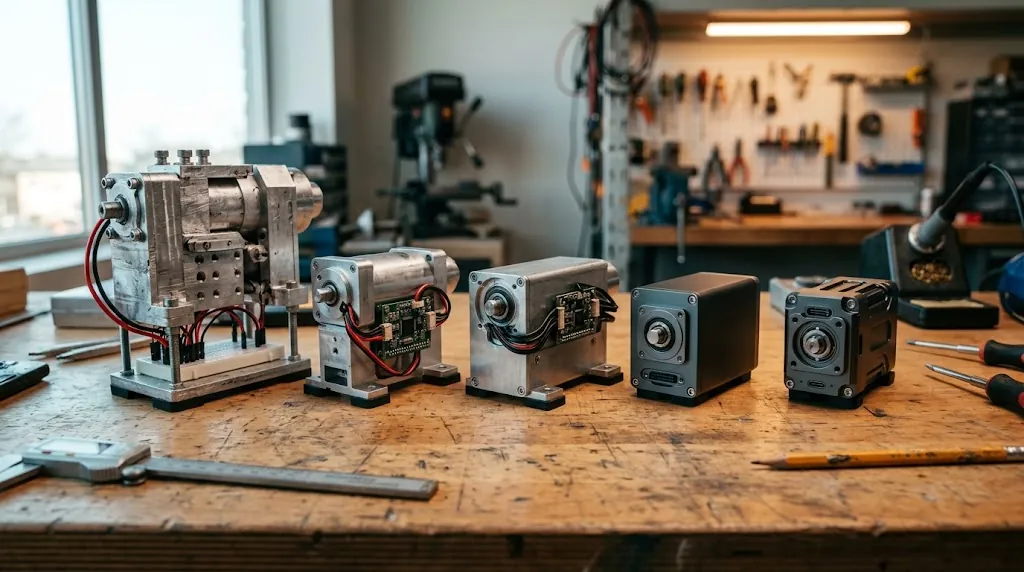
Send the winning factory your change list: materials, dimensions, colors, components, packaging mockup. This round proves whether their engineering can execute your improvements, which is where review-mined product plans succeed or stall (the method for building that plan is in our product research guide). Expect one or two gaps per round; that is normal. What is not normal is a factory that cannot match its own round-1 quality when asked for changes.
Round 3: the golden sample
The final round produces the confirmation sample: your product, your branding, your packaging, exactly as mass production will run. Approve it in writing, with photos, and sign or date it. Both sides keep it. Every dispute later resolves by comparing production goods to this unit, which is why the golden sample must be the exact configuration you ordered, not “close to it”. Colors are specified by Pantone code and approved under daylight; “looks right” is not a specification.
What to check on every sample, every round
- Dimensions and weight: measure against spec, not against memory.
- Materials: feel, thickness, smell. Substitutions announce themselves to hands before documents.
- Function: stress every failure point. Hinges, seams, connectors, buttons, battery life, print durability.
- Branding: logo method, placement, alignment, durability after handling.
- Packaging: fit, protection, print quality, and whether the box survives being packed, dropped and stacked.
Document each round with your own photos and notes, and send changes as a numbered list referencing the sample. This paper trail is what makes round 3 decisive instead of negotiable. A factory’s willingness to iterate quickly and cleanly is itself a supplier-quality signal: the best manufacturers treat sampling as engineering, the worst as a chore.
What happens between golden sample and production?
The golden sample becomes the reference for everything downstream: the factory audit confirms the factory can replicate it at volume, the first-article inspection approves the run’s opening units against it, and the pre-shipment inspection judges the finished lot against it. Three checkpoints, one reference: that is how a sample becomes a standard instead of a souvenir.
How many sample rounds should you budget for?
Most products land in two to three rounds. A simple existing product might be right after one, because the factory is producing it every week. A custom product with your logo, packaging, and a color spec typically needs the three rounds described above. Budget the calendar, not just the money: each round costs 5 to 10 days of factory time plus 3 to 6 days of courier each way, so a three-round process is a 4 to 7 week development phase before production even starts. Plan backward from your launch date with that number, and add one spare round to the plan for products with tight tolerances or custom tooling.
Who pays for samples and the couriers?
Three patterns exist, and the factory’s answer tells you something about them. Some factories charge the full sample fee plus courier and credit both against the bulk order. Some charge the fee but not the courier. The best factories, the ones confident in their own quality, often produce a first sample free and only charge from the second round. What you should not accept quietly is a sample fee that keeps growing with every round for reasons nobody explains. Agree the policy in writing before round one: what each sample costs, who pays the courier (typically $30 to $60 per shipment with DHL or FedEx from Shenzhen), and whether the fees convert into a discount on the production order.
How do you keep both sides looking at the same sample?
The classic sampling failure is not a bad factory; it is two versions of the truth. You approved a sample, then production diverges, and everyone points at a different unit. The fix is physical and simple. Sign and date the approved sample, then split it: you keep one sealed copy and the factory keeps a sealed copy in their sample room, labeled with your order number. Photograph it from every angle under normal light and attach the photos to the proforma invoice. Every inspection then compares production against the sealed reference, which is exactly how the inspection checkpoints work. If the factory loses their copy, you have proof of what was approved.
What if the sample never gets approved?
Set a walk-away rule before you start, not after round three. A reasonable line: if round three fails on the same defect as round two with no credible root-cause explanation, the factory cannot make this product, and more rounds will not change that. Sunk-cost discipline is the hardest part of sampling; each round feels close to done. The questions that cut through optimism: did the defect change between rounds, and did the factory explain the cause in engineering terms? Same defect, no explanation, no order. Your sourcing brief fee is the cheapest money you ever spent, and the samples cost less than a bad container.
Does packaging get sampled too?
Yes, and skipping it is one of the most expensive shortcuts in sampling. The retail box, the logo print, the insert card, and the barcode label each have their own failure modes: colors that print differently on kraft than on white, boxes that arrive crushed because the cardboard grade was substituted, barcodes that will not scan at the warehouse. Include the packaging in round two or three, filled with the actual product, folded and assembled exactly as it will ship. Check the barcode with a scanner app before approving, because reprinting packaging after production means reprinting the product with it. Packaging approval photos belong in the same set as the product photos on the proforma invoice.
Can you skip sampling on a stock product?
Stock products shorten the process but do not remove it. A factory selling existing goods from inventory has no production run to control, so there is nothing to sample against; you are buying what is on the shelf. You should still order one physical sample before the bulk purchase, because the listing photos and the shelf do not always agree, and you should still inspect before shipping, because warehouse storage has its own defects: dust, scratches, dead batteries, and boxes from an older version mixed into the pallet. What you skip is the development rounds, not the verification. The rest of the sequence, payment gate and inspection, stays exactly as it would for a made-to-order product.
FAQ
How many sampling rounds are normal?
Two to three, depending on customization depth. Logo-on-stock can finish in one; custom tooling or complex changes run three or more. Unlimited free sampling promises are usually compensated somewhere you cannot see.
How long does sampling take?
One to two weeks per round including courier, so 3?6 weeks for the full process. Rushing rounds is the classic false economy: sampling is where the production run’s quality is actually decided.
Who owns the golden sample?
Both parties, physically: one unit with you, one retained by the factory, both referenced in the purchase contract. If a dispute reaches inspection, the golden sample is the arbiter.
Should I pay for samples?
Yes, for serious candidates: sample fee plus courier. It filters out window-shoppers on the factory side and signals that you are a real buyer. Free samples exist, but they rarely come with priority treatment.
Related guides
- Private label sourcing from China: starter guide
- AQL inspection guide: sampling rules
- How to negotiate with Chinese suppliers
- How to find products to import from China
- Full-service China sourcing
- Manufacturing and factory management
Written by the Yinhan Sourcing team: our sampling process ends with a golden sample on file in Shenzhen and in your hands.