Sourcing Guides · 2026 · 10 min read
Private label means selling a product made in China under your own brand, your logo, your packaging, your listing, instead of reselling someone else’s generic item. It is how most successful Amazon and Shopify brands started: higher margins, brand ownership, and no price war against identical listings. This guide walks the full process: choosing the product, supplier matching, sample development, packaging, cost structure, protecting your design, and getting from approved sample to FBA-ready shipment.
- For logo-on-existing-product, small runs are possible.
- White label if speed-to-market matters more than differentiation; private label as soon as you have review data showing what to improve.
- With a plain product and no protections, assume yes.
Before the steps, one distinction that shapes everything: private label (existing factory product, customized with your brand and small changes), white label (stock product, your logo only, often no exclusivity), and custom manufacturing / ODM-OEM (your design, built to your drawings, with tooling). Margins, MOQs, timelines, and risks all scale with how much of the product is yours. This guide covers the middle path, the one most successful sellers actually take.
Why does private label win?
- Higher margins. A branded product with real packaging sells at a premium over a generic one that costs 15?40% less to make, the best margin trade in e-commerce.
- Brand ownership. Reviews, repeat customers, and search rank attach to your listing and your trademark, not to a product anyone can buy from the same factory and undercut.
- No price war on identical listings. Generic resellers compete on one axis, price. A brand with even modest differentiation escapes the spiral, because you are not selling the same object anymore.
What are the steps to launch a private label product?
Step 1: Choose a product that suits private label
The best private label products share four attributes. They are light-to-medium weight (freight and FBA fees stay survivable), simple to manufacture to a consistent standard (fewer failure modes to inspect), in stable or growing demand year-round, and improvable with small changes, better materials, a smarter shape, a missing accessory, a nicer color set. Avoid categories dominated by certifications you do not yet understand (medical claims, children’s sleepwear, anything airborne) as a first product.
Then study the competition with a specific question: what do the 3-star reviews of the current bestsellers complain about? Collect the complaints, count the repeats, and that list becomes your product improvement plan, the concrete reason a customer picks your listing over the incumbent. A private label product with no answer to “why is this better?” is just a generic product with worse economics, because you added packaging cost without adding reason-to-buy.
Step 2: Supplier matching
Find manufacturers, not trading companies, with real experience in your product type. Source from Alibaba for export-ready suppliers with Trade Assurance, and from 1688 for the same factories at domestic prices when you buy through an agent (the price mechanics are in our 1688 vs Alibaba comparison). Verify before you talk prices: business license, factory photos and live video, existing brand clients, and genuine willingness to customize. Our Alibaba supplier vetting guide covers the screening routine, and our team does supplier and product sourcing with pre-audited factories if you want it handled.
For customization depth, use this vocabulary with factories: OEM (they manufacture to your full design), ODM (you modify their existing design), and stock-with-logo (fastest, cheapest, least differentiation). Ask directly what they have customized for other clients, the answers show whether their “custom” is a real engineering team or a sticker machine.
Step 3: Sample development
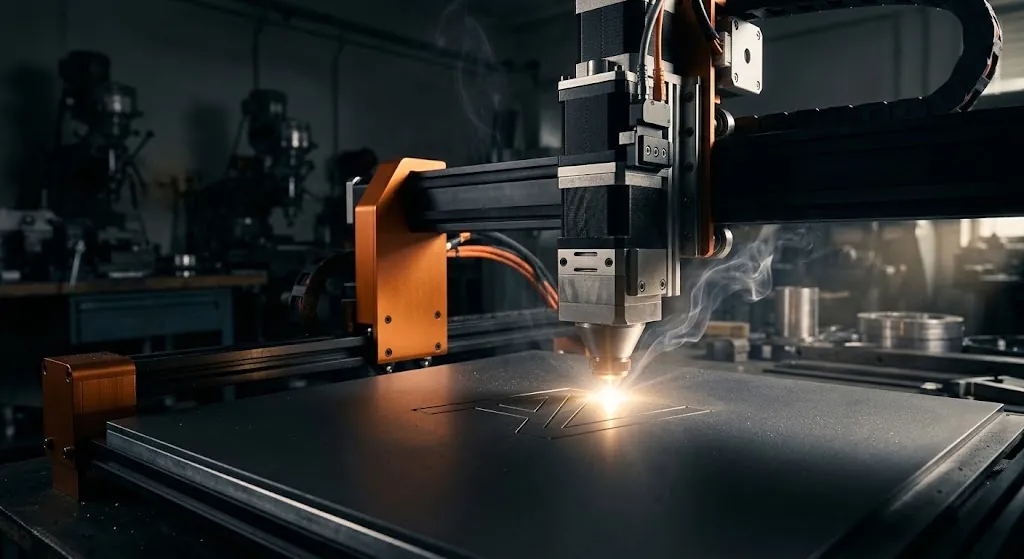
Expect 2?3 sample rounds before mass production, that is normal, not a red flag. Each round closes one gap:
- Round 1: existing product with your logo applied, checks the factory’s baseline quality and logo method (laser, print, emboss, woven tag) and true lead time on samples.
- Round 2: your requested changes, materials, dimensions, colors, component swaps, packaging mockup. This is where your review-mining plan from Step 1 gets tested in the real world.
- Round 3 (if needed): the confirmation sample, the physical reference your production order is legally judged against.
Approve logo placement, materials, colors, and packaging in writing with photos before mass production starts, and keep the signed confirmation sample. Every later dispute resolves by comparing goods to that reference, which is why it must be agreed, dated, and retained by both sides. Color is the classic failure: specify Pantone codes and approve physical color samples under daylight, not screen colors.
Step 4: Packaging that sells (and survives freight)
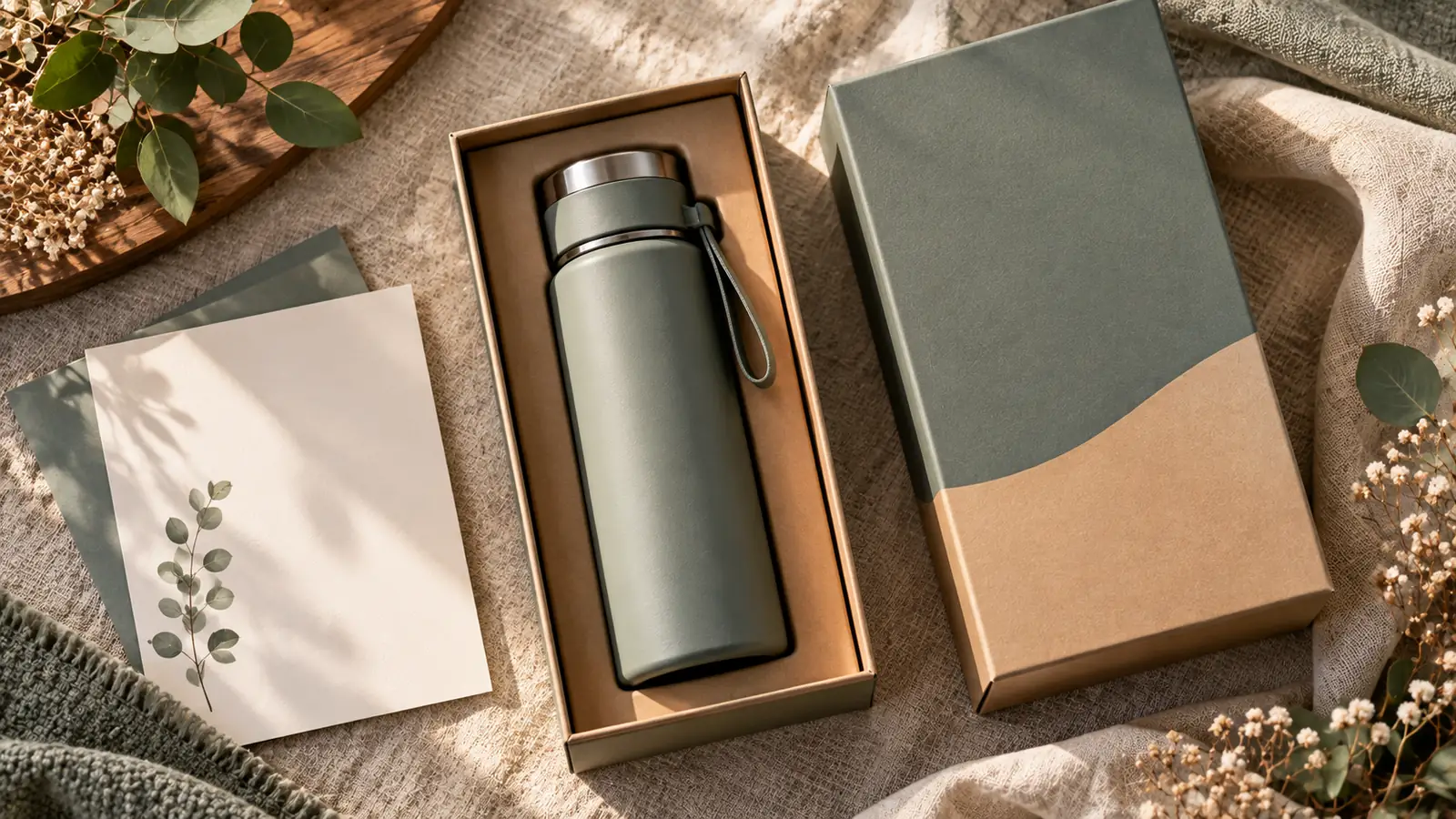
Packaging is the cheapest brand-builder you will ever buy, and it does three jobs at once. It sells: unboxing experience earns reviews and repeat purchases. It protects: boxes must survive factory packing, consolidation, ocean freight, and parcel delivery, the shelf test and the drop test. It complies: barcodes, warning labels, language requirements, and marketplace rules (transparent packaging for certain toy categories, suffocation warnings on poly bags) differ by category and destination.
Budget realistically: custom printed boxes carry their own MOQ (often 500?1,000 boxes) and add meaningfully to unit cost at low volumes. A pragmatic ladder, kraft box with one-color logo at launch, full-color retail box at scale, keeps first-order capital in inventory instead of empty boxes.
Step 5: MOQs and cost structure
Custom production raises MOQs because brand-specific colors, components, and boxes are produced for you alone. Your unit cost has layers worth itemizing before you commit:
- Product cost, the factory price at your volume tier.
- Logo / branding application, laser, print, emboss per unit.
- Packaging, box, insert, label, polybag.
- Inspection and compliance, pre-shipment inspection, any test reports your category needs.
- Freight and duty, to your door or to FBA.
The branded version typically lands 15?40% above the generic price. That difference is recovered several times over in selling price, as long as the product itself was chosen well and the packaging answers a real customer reason. If it does not, you have built a more expensive generic product.
Step 6: Protect your product and brand
- NNN agreement (non-disclosure, non-use, non-circumvention) for custom designs, signed before detailed specs change hands, governed under Chinese law so it is enforceable where the factory is.
- Trademark registration in your marketplaces, Amazon Brand Registry requires one, and it is the basis for takedowns of copycat listings.
- Progressive disclosure, full drawings and specs go only to the factory you have chosen and signed, not to the five suppliers you are quoting.
- Realistic expectations, protection raises the cost of copying; it cannot make copying impossible. Factories with real brand clients have too much to lose, which is exactly why vetting matters.
Step 7: From approved sample to FBA
Production is monitored against the approved sample, a pre-shipment inspection checks the finished lot against the AQL standard, FNSKU labels and FBA prep are applied, and the consignment ships direct to Amazon. Any new product’s first production run deserves stricter checking, 1-by-1 sorting on the first batch is money spent once and regretted never. We handle this whole chain from Shenzhen, see sourcing for Shopify & eCommerce brands and our case studies for real examples.
How long does private label take from brief to launch?
| Stage | Typical duration |
|---|---|
| Supplier matching & verification | 1?3 weeks |
| Sample rounds (2?3) incl. shipping | 3?6 weeks |
| Mass production | 20?45 days by product |
| Inspection & prep | 3?7 days |
| Freight (sea / air) | 5?35 days |
Plan 3?4 months from idea to live inventory. The stage buyers compress is almost always sampling, and sampling is the stage that determines whether the 500 units arriving are the product you meant to order.
How often should you communicate with factories?
Private label projects fail in the gaps between emails more than in the factories. The cadence that keeps them tight: everything in writing, in one thread per subject, verbal agreements do not exist; one named contact on each side (serial contacts mean serial misunderstandings); weekly photo check-ins during production, materials arriving, lines running, packaging printing, because a request for photos is cheap and reveals problems while they are still fixable; and strict change control, any spec change mid-production gets re-confirmed in writing with its cost and delay consequence, or it did not happen. Factories respect buyers who are structured, and mirror their discipline back. Chaos in your communication becomes chaos in your order.
How do you set quality expectations by price tier, not by hope?
The hardest lesson in custom production: you get the quality you specified and paid for, not the quality you assumed. The confirmation sample is handmade with selected materials; production is machines, shifts, and margins, a factory quoted to the bottom cent will hit that number by adjusting something you did not spec. The protection is precision: wall thickness in millimeters, weight per unit in grams, coating type by name, color by Pantone code, tolerance on every dimension. Vague specs are not flexible, they are an invitation for the factory to choose, and the factory will choose in its own interest. Every specification you write is a defect you never inspect for.
How do reorders work once the first batch sells?
A reorder against a proven spec is the easiest transaction in the chain: reference the purchase contract and confirmation sample, confirm any tweaks in writing, and the factory already has materials, processes, and packaging set up. Lead times compress on reorders, defect rates drop, and this is exactly when the 1688 price conversation with your agent is worth having.
Should I get exclusive rights to the product?
True exclusivity on an existing factory design is rare and usually priced into volume commitments. What you can realistically secure: exclusivity on your custom elements, your mold, your colors, your packaging, which is where your brand value actually lives. Ask for it in writing; assume nothing beyond it.
What if my product needs certification, CE, FCC, food contact?
Then certification is a production input, not an afterthought: the factory must use certified components and materials, and test reports must name the exact product. Verify certificates at supplier vetting, issuing body, scope, expiry, and budget for testing your actual shipment sample if the category is regulated. This is a category where an agent’s compliance experience earns their fee quickly.
Can I private label without buying my own packaging yet?
Yes, logo-on-product with neutral, quality-looking packaging is a legitimate first round, and many brands start there while validating demand. The upgrade path, custom box, inserts, branded tape, should wait for data showing the product deserves the investment. Brand the packaging when the product earns it, not before.
Who owns the product reviews, the listing or the factory?
You do, provided the listing, brand, and trademark are yours and the product is sold under your account. This is the quiet strategic value of private label: every review and every repeat customer compounds an asset you own, rather than a product page anyone can replicate next month with the same factory and a lower price. Generic resale builds the factory’s business; private label builds yours.
New to the whole process? Start with the complete guide to importing from China, which maps every stage this guide touches, with costs and timelines.
FAQ
What MOQ should I expect for private label?
For logo-on-existing-product, small runs are possible. For custom molds, colors, or packaging, expect a few hundred to a few thousand units per SKU, the factory is funding production setups that only you will use.
Private label vs white label, which should I start with?
White label if speed-to-market matters more than differentiation; private label as soon as you have review data showing what to improve. Most durable brands start white-label-ish and deepen customization with each production round.
Can the factory steal my design?
With a plain product and no protections, assume yes. With an NNN agreement, a vetted factory, and progressive disclosure, practical risk drops sharply, factories with real brand clients have too much recurring business to risk.
Do I need to visit the factory?
No, but someone qualified should, before your first deposit. An on-site factory audit covers what a visit would: capacity, licenses, machines, QC culture. Many professional brands never visit in person; none skip verification.
How much capital do I need to start?
Working backwards: sample costs ($100?500), first production order, inspection, packaging, and freight. A careful first private label launch is realistic in the low thousands, the discipline is keeping the first order small enough that mistakes are education, not bankruptcy.
Related guides
- Amazon FBA shipping from China
- AQL inspection guide: sampling rules
- Factory audit in China: what it covers
- How to find reliable suppliers on Alibaba (2026)
Written by the Yinhan Sourcing team, we develop and produce private label products for brands from our Shenzhen base.