
Sourcing Guides · 2026 · 5 min read
Pet is one of the few categories where buyers do not cut spending in a downturn. Alibaba has built a dedicated push around pet manufacturing, with wholesale pet toys commonly quoted between $0.50 and $2.00 per unit, and flexible MOQs that suit smaller sellers. For first-time importers, it is one of the more forgiving categories to enter. It is not, however, a category where you can ignore materials.
- Catalogue toys and bowls often start at 500 to 1,000 units.
- A claim is a sentence in a listing.
- Target the mid tier rather than the cheapest.
Why do pet products punish cheap material choices?
Because the user cannot complain. A dog chews a toy and swallows part of it; a cat eats from a bowl that leaches; a puppy develops a rash from a collar dye. You find out through returns, reviews, and in the worst case, a claim. The cheapest unit in the sample room is frequently the one made from virgin food-grade silicone, while the cheapest in production is regrind with unknown provenance.
What is selling in pet right now?
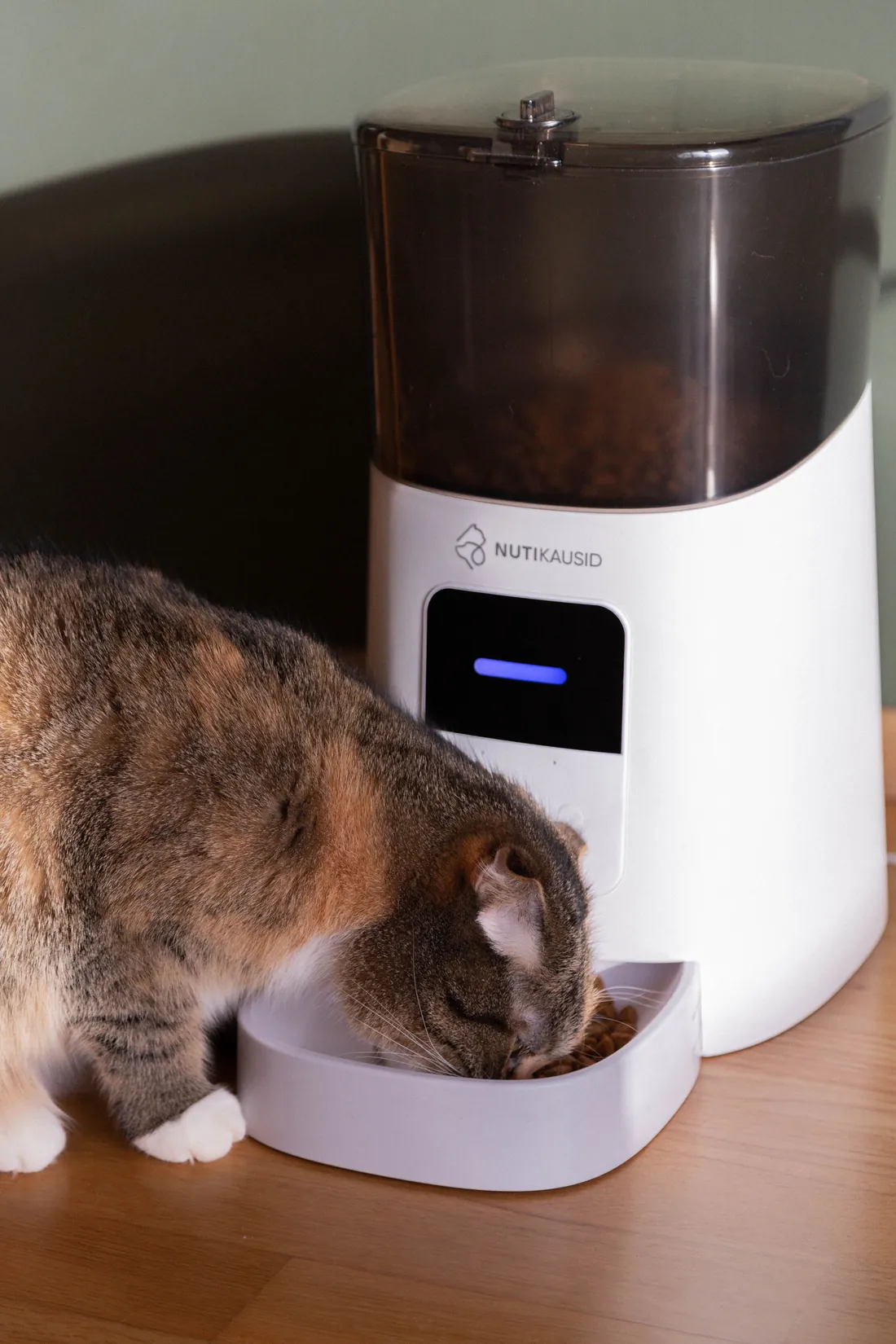
Three groups keep performing. Feeding: slow feeders, anti-spill bowls, elevated dishes and automatic dispensers. Travel and car: seat covers, carriers and portable water bottles. Enrichment: puzzle feeders, durable chew toys and window perches. The automatic dispensers carry the highest margin and the highest return rate, because motor and firmware failures are common in the cheapest tier.
How do you source pet products, step by step?
Step 1: Pick the sub-niche before the product
Decide dog or cat, and consumable or durable. That choice sets your compliance path, your MOQ, and how much of your margin comes from repeat purchase. Consumables and replacement parts build a reorder base; durable goods build a one-time sale that has to carry your acquisition cost alone.
Step 2: Specify the material, not just the shape
Put the material requirement in writing on the order: food-grade silicone, BPA-free, virgin not regrind, with a test report to match. If the product touches food or is chewed, this is the line that matters most. Ask for the material certificate before the sample ships, not after the goods arrive.
Step 3: Sample for the animal, not for you
You are not the user. Test with the actual animal where you can: does the slow feeder actually slow the dog, does the chew toy survive a determined chewer, does the collar sit without rubbing. Two weeks of real use tells you more than an hour in a showroom.
Step 4: Private label and packaging
Pet buyers are brand-loyal in a way most categories are not – they return for the same item and recommend it. Packaging that explains sizing, material and safety will outperform a generic bag. Our private label guide covers the packaging and MOQ decisions in detail.
Step 5: Inspection before shipment
For anything chewed, swallowed or worn, a pre-shipment inspection is not optional. Check for burrs and sharp edges, dye transfer, odour, weak seams and small detachable parts. Our inspection types guide explains which checkpoint fits your order size.
How much capital do you need to launch a pet product line?
A single catalogue item at low MOQ can launch for a few thousand dollars including samples and freight. A private-label line with custom packaging, two SKUs and a proper inspection typically lands between $8,000 and $20,000 depending on unit price. Automatic dispensers with custom tooling sit above that because of the motor assembly.
FAQ
What MOQ should I expect for pet products?
Catalogue toys and bowls often start at 500 to 1,000 units. Custom colour, mould or packaging moves it to 1,000 to 3,000 per SKU. Automatic feeders with custom housings usually carry higher MOQs because of assembly line setup.
Do pet products need certification to sell in the US?
There is no single pet-product certificate, but material safety matters: anything chewed or food-contact should carry material test reports, and children’s-toy-adjacent items can fall under stricter rules. Sells-as-pet-gear does not exempt you from a product liability claim if an animal is harmed.
Is a food-grade material claim enough?
A claim is a sentence in a listing. A test report is a document with a sample, a date and a lab. Ask for the report, check the date, and confirm the tested material matches what your sample is made of. Reports for a different resin grade do not cover your order.
How do I avoid high returns on automatic feeders?
Target the mid tier rather than the cheapest. Failures concentrate in low-cost motors and poorly sealed electronics. Require a burn-in test on sampled units, specify the motor supplier, and include a clear failure rate allowance in your contract so defects come back to the factory, not to you.
Can I start with just one SKU?
Yes, and you probably should. One SKU lets you validate reviews and sizing before committing to custom packaging across a range. Most sellers who launch five SKUs at once discover which two mattered after they have paid for all five.
Our Silicone Pet Feeder Bowl is a useful reference point for the material standard above: food-grade, BPA-free silicone at a 500-unit MOQ, with a pre-shipment inspection that checks edges, seams and dye transfer — the exact failure modes this guide tells you to specify in writing.
Related guides
- Private label sourcing from China
- Product inspection types in China
- Quality defects: critical, major, minor
- Dropshipping from China: agent guide
- How to negotiate with Chinese suppliers
Written by the Yinhan Sourcing team, we source and inspect pet products, housewares and private label goods for e-commerce brands from our Shenzhen base.