
- Why classification is a business decision
- How do you build your defect list, step by step?
- How does classification work by product type?
- How the list meets the inspection
- How do AQL numbers turn your defect list into a pass or fail?
- Who decides how a defect is classified?
- What happens when defects are found after shipment?
- Which defects show up most often in Chinese manufacturing?
- How does classification change between product categories?
- FAQ
- Related guides
Quality Control · 2026 · 7 min read
Defect classification is the foundation of every professional quality inspection: before an inspector touches a product, your defect list decides what counts as critical, major or minor, and the AQL numbers only work once that list exists. Skip the classification and inspection day becomes an argument; build it well and inspection becomes measurement. This guide shows how to build a defect list for your product, with real examples for each class.
- They can discuss it, and a good inspector listens, but the standard was agreed in the contract before production.
- Typically 20?60 lines for a consumer product: long enough to cover the real failure modes, short enough to be checked consistently.
- It evolves: new defects discovered in the field join the list, resolved ones stay documented, and classification tightens as your brand's standards rise.
The definitions first. A critical defect is a safety or regulatory failure: one occurrence fails the lot, at AQL 0, in essentially every product category. A major defect is a functional failure that makes the product unusable or unsellable as new: the customer would return it. A minor defect is cosmetic or workmanship-level: most customers would keep the product. The classes are judgment calls about your market, which is exactly why the buyer, not the inspector or the factory, owns them.
Why classification is a business decision
The same physical flaw can sit in different classes depending on your product and your customer. A scratch on the display of a budget phone case is minor; the identical scratch on a premium electronics device is major. A loose thread on a garment’s inside seam is minor; the same thread on a wedding dress is major. Classify for the product you are selling and the customer you are selling to, not for the factory’s convenience and not for a generic standard.
The stakes are real on both sides. Over-classifying (calling everything major) turns every lot into a dispute and destroys the factory’s willingness to cooperate. Under-classifying pushes defects to your customers, where each one costs a return, a review, or an account.
How do you build your defect list, step by step?
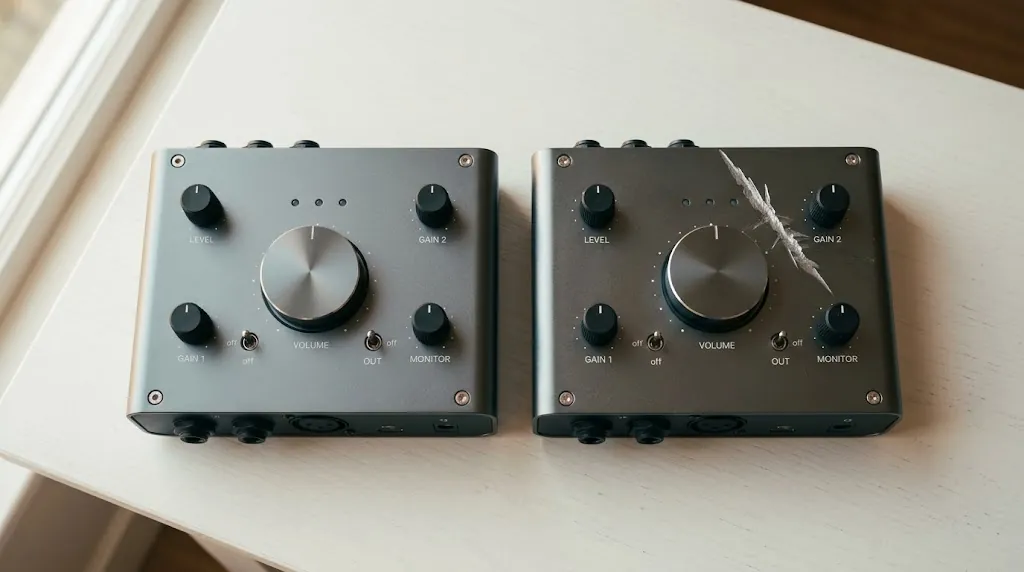
- Step 1: Start from the product’s failure modes. Take the approved sample and ask, part by part: how can this fail? Function, materials, assembly, finish, packaging.
- Step 2: Add your market’s rules. Safety requirements, labeling laws and marketplace compliance belong on the list as critical items before they happen.
- Step 3: Mine your reviews. Complaints on your previous listings (or competitors’) are the defect list your customers already wrote for you.
- Step 4: Classify each defect into critical / major / minor, and describe it so a stranger could recognize it: what it looks like, where it occurs, what makes it worse.
- Step 5: Add boundary samples. Photograph the acceptable version and the unacceptable version of borderline defects. Words argue; photos do not.
How does classification work by product type?
| Defect | Garment | Electronics |
|---|---|---|
| Loose thread, inside seam | Minor | n/a |
| Button missing | Major | n/a |
| Broken needle left in garment | Critical | n/a |
| Scratch on housing (light) | n/a | Minor |
| Power button unresponsive | n/a | Major |
| Battery overheating | n/a | Critical |
The same discipline applies to any category: kitchenware (a chip on the rim is major on a premium set, minor on a budget one), toys (small parts and sharp edges are always critical), textiles (color variance is minor unless it is a fashion product where the color is the point).
How the list meets the inspection
Your defect list attaches to the purchase contract as an annex, alongside the AQL levels (typically critical 0, major 2.5, minor 4.0). The inspector samples the lot per the standard, checks every unit against your list, sorts findings into the classes, and issues pass or fail with photos. Factories rework failed lots, usually at their cost, because the payment structure says so. The full checkpoint sequence around the PSI is in our inspection types guide, and the contract terms that make rework enforceable are in the payment terms guide.
How do AQL numbers turn your defect list into a pass or fail?
The defect list alone does not decide anything; the sampling standard does. Under ISO 2859-1, the inspection samples a defined number of units based on your batch size, and the defect list tells the inspector how to classify everything they find. On a 1,200-unit order with the common AQL 2.5 standard for majors, the inspector checks 80 units: 5 or fewer major defects passes, 6 fails. Critical defects carry zero tolerance regardless of the number. This is why the classification work matters so much: the same physical flaw can be a pass or a failed container depending on which column of your list it lands in.
Who decides how a defect is classified?
You do, before production, in writing. The factory’s opinion, the inspector’s opinion, and your opinion will not always agree, and a gray zone found mid-inspection is the worst moment to start negotiating definitions. The working method that holds up: for every gray-area condition, attach a photo and a classification to your defect list so the judgment is already made. An inspector with a photo-referenced list spends the day checking, not debating. When a genuinely new condition appears on the line, the inspector photographs it, classifies it conservatively, and you arbitrate from the report the same evening with the balance payment decision in hand.
What happens when defects are found after shipment?
Post-shipment defects are a negotiating position, not just a complaint, and the strength of that position was decided months earlier by your paperwork. If the proforma invoice says the goods must match the golden sample and the defect list, and the inspection report shows a pass, then a defect appearing later is either transit damage or a rare escape, and the conversation starts from evidence. Practical remedies in order of preference: a credit note against the next order, a discount on the affected units, a rework at the destination if the factory has local capacity, or replacement units in the next production run. What rarely works is the first conversation without documents; what usually works is the same conversation with the contract, the sample photos, and the inspection report attached.
Which defects show up most often in Chinese manufacturing?
The distribution is remarkably stable across product types. Cosmetic and workmanship issues dominate by count: scratches, glue residue, uneven printing, thread ends, and color deviation from the approved sample. Function and assembly issues come next: a switch that does not click, a lid that does not align, a missing accessory in the box. Packaging and labeling issues, wrong barcode, missing warning text, outdated artwork, are fewer but disproportionately expensive because they surface at the destination, at customs, or on the platform rather than at the factory. And the rarest, material substitution, is the most serious, because it hides inside an otherwise perfect-looking unit. Your defect list should be weighted to catch the expensive rare ones explicitly, not just the common visible ones.
How does classification change between product categories?
The same flaw changes severity with the product. A scratch on a stainless steel bottle is a minor; the same scratch on a smartphone housing is a major, because the customer sees it on day one. On electronics, function is king: anything intermittent, a loose connector, an overheating charger, is critical or near it, because failures arrive as returns and reviews. On children’s products, safety classification absorbs everything: small parts, sharp edges, and material composition are critical by default, and the test certificates behind them matter as much as the units inspected. On food contact goods, material compliance sits at the top of the list before cosmetics are even discussed. Build your list in your category’s order of pain, not from a generic template.
FAQ
Who has the final say on a borderline defect?
Your boundary samples. Where the list is silent, the inspector flags it with photos and you decide; then you add it to the list so the next inspection has an answer.
Can the factory contest the classification?
They can discuss it, and a good inspector listens, but the standard was agreed in the contract before production. Factories renegotiate defect lists mid-inspection only with buyers who never wrote one.
How long should a defect list be?
Typically 20?60 lines for a consumer product: long enough to cover the real failure modes, short enough to be checked consistently. Lists that run to hundreds of lines usually mean the spec was unclear somewhere upstream.
Does the defect list change between orders?
It evolves: new defects discovered in the field join the list, resolved ones stay documented, and classification tightens as your brand’s standards rise. Version and date every revision.
Related guides
- AQL inspection guide: sampling rules
- Product inspection types: first article, DUPRO, PSI
- Factory audit in China: what it covers
- Payment terms for importing from China
- Full-service China sourcing
- Manufacturing and factory management
Written by the Yinhan Sourcing team: our inspectors work from client defect lists with boundary samples on every lot we check.